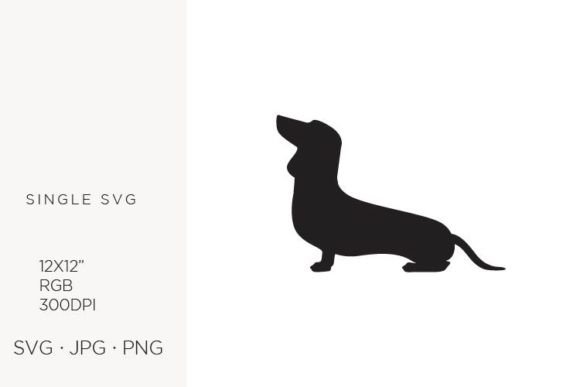
Dachshund Dog, Logo Element: Graphics & Illustrations
First Impression: Playful, Warm, and Instantly Recognizable
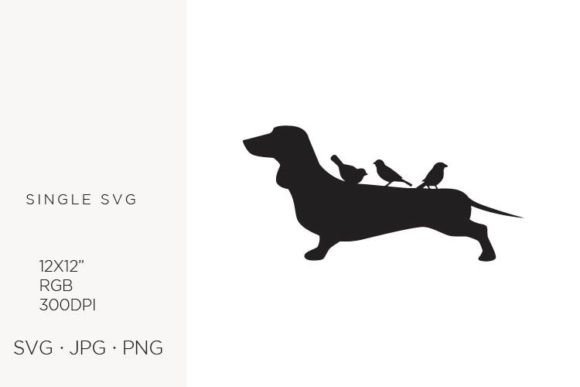
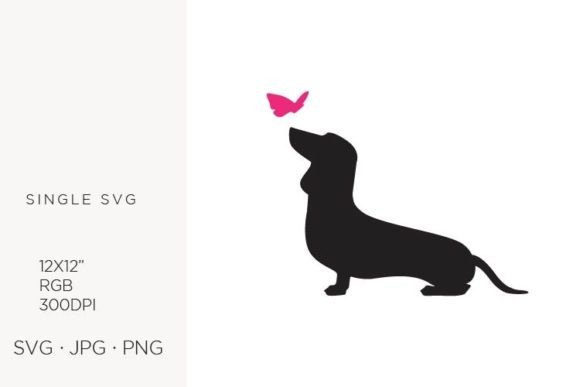
When I opened Dachshund Dog, Logo Element, my first thought was: “This isn’t just clipart—it’s a personality anchor.” The clean SVG artwork delivers expressive charm without clutter—long ears gently curved, confident stance, subtle facial detail that reads at small sizes. It evokes warmth, approachability, and quiet confidence—not cartoonish, not clinical. For brands targeting pet lovers, handmade goods, lifestyle bloggers, or small-batch product creators, this illustration sets an immediate emotional tone: friendly but intentional, nostalgic yet modern.
A Real Campaign Fit: Launching a Seasonal Pet-Themed Stationery Line
Last month, I helped a small business owner refresh her Etsy shop for a spring collection of hand-lettered greeting cards and printable planners—each themed around “joyful companionship.” We needed visual consistency across Instagram posts, Canva templates, packaging inserts, and email banners. Dachshund Dog, Logo Element became our unifying graphic design asset: scaled as a watermark on digital downloads, cropped tightly for Pinterest pins, and paired with soft serif fonts in print-ready PDFs. Its SVG format meant zero quality loss when resized—critical for everything from 4” stickers to 24” wall art mockups.
Where It Strengthens Brand Identity—Without Overpowering
This illustration works exceptionally well in contexts where brand identity needs gentle reinforcement—not dominance. In logo design, it serves as a versatile secondary mark or supporting icon beside a wordmark. On product labels and packaging design, it adds character without competing with essential info. For social media graphics and digital ads, it creates visual hierarchy: the dachshund draws the eye, then guides attention to headline copy or CTA buttons. Blog graphics and editorial design benefit from its balanced negative space—leaving room for quotes, captions, or overlays. And because it’s vector-based, it adapts seamlessly to web design, email banners, and mobile-first layouts.
Marketing Goals It Directly Supports
- Stronger first impression: Its distinct silhouette stands out in crowded feeds and marketplace thumbnails.
- Clearer visual hierarchy: Works as a focal point that organizes surrounding content—not background noise.
- More consistent branding: Reusable across touchpoints (from Instagram Stories to printed announcements) without style drift.
- Better product presentation: Elevates handmade cards, stationery, and craft kits with professional polish.
- Improved audience trust: Signals care in visual execution—subtly reinforcing brand credibility.
- Stronger recognition: Distinct enough to become a signature element over time, especially in pet-adjacent niches.
Best Use Cases for Maximum Impact
Dachshund Dog, Logo Element shines brightest in hero graphics, campaign headers, and branded templates—especially where warmth and authenticity matter more than formality. It’s ideal for social media covers, packaging accents, content bundles (like lead magnets or media kits), promotional banners for pet-related events or small business launches, and decorative brand elements like website dividers or email footers. As a printable design, it performs beautifully on invitations cards, handmade cards, and announcements—adding personality without sacrificing legibility.
Where to Use It Thoughtfully
It’s less suited for formal corporate branding, dense information layouts (e.g., data-heavy infographics), or tiny mobile graphics where fine ear details may blur. Avoid pairing it with low-contrast backgrounds—it needs breathing room to retain clarity. It also doesn’t serve minimalist or ultra-luxury brands aiming for stark sophistication; its charm lies in approachable humanity, not austerity. And never use it where it competes with core messaging—like text-heavy Facebook ads or complex product label hierarchies.
Practical Brand Designer Notes You Can’t Skip
Before locking it into your campaign: test Dachshund Dog, Logo Element against your full brand color palette—not just primary hues, but neutrals and gradients. Check black-and-white usage for versatility in print or embroidery. Place it inside real campaign mockups: Does it hold up in a Canva template alongside your chosen font stack? Preview on mobile screens—does the posture remain expressive at 60px height? Test readability in small sizes: Are key features still legible on a sticker or app icon? Compare it against competitor visuals—is it distinctive enough to stand apart? Then assess typography pairings: it harmonizes beautifully with warm serifs (think Playfair Display), clean sans serifs (Inter, Montserrat), and even restrained script fonts—but can overwhelm delicate handwritten or display fonts. Finally, review spacing and balance: does it feel anchored or floating? And always confirm commercial license eligibility—especially for paid campaigns, client work, or digital product visuals sold on creative marketplaces.
Why This Is More Than Just Clipart
In today’s saturated content landscape, audiences scroll past generic design assets in under two seconds. Dachshund Dog, Logo Element succeeds because it’s a considered creative design—not filler. It supports small business branding with emotional resonance, enhances marketing visuals with instant relatability, and strengthens content marketing through visual consistency. Whether you’re building a digital product, designing packaging, or curating a social media content kit, this SVG artwork delivers professional branding value far beyond its category as an Illustration or Graphics asset. For creative entrepreneurs who understand that every pixel communicates intent, it’s not just decoration—it’s strategic visual shorthand.