Disco Ball and Tiger: Vector Graphics & Illustrations
First Impression: Bold, Playful, Unapologetically Thematic
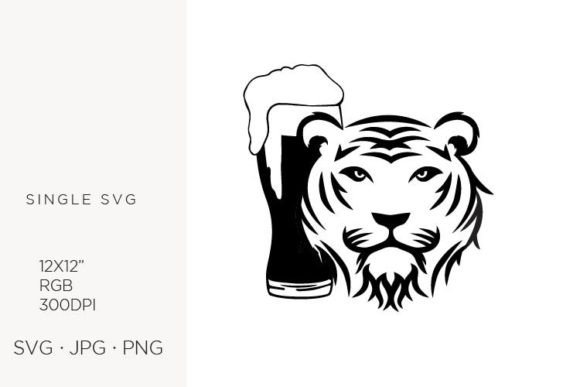
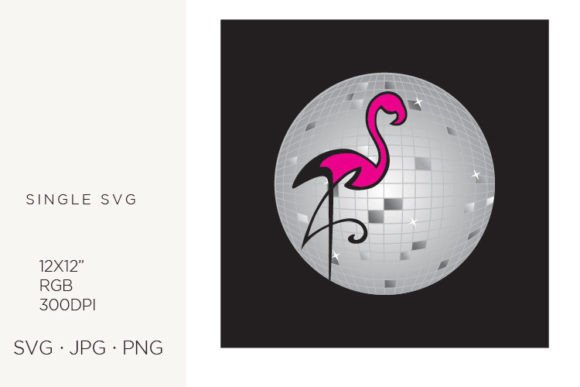
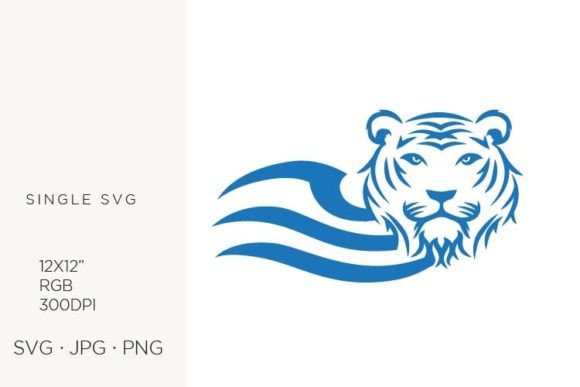
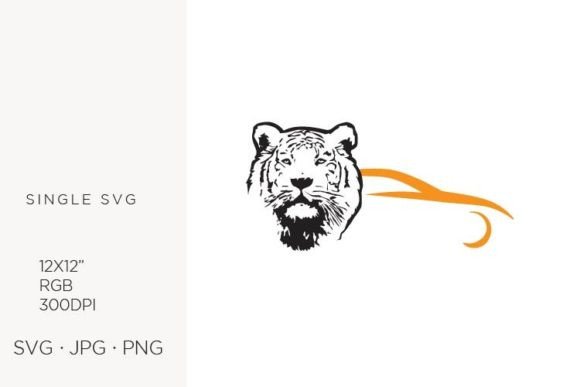
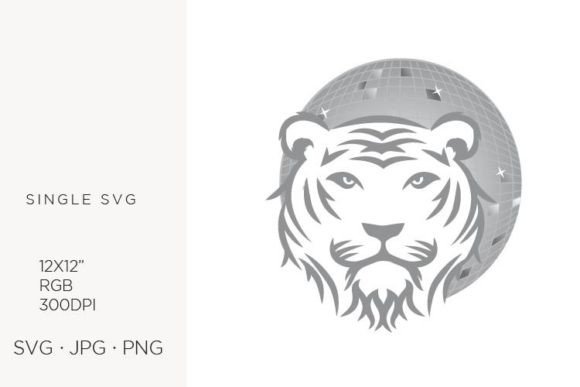
Opening Disco Ball and Tiger, Vector feels like stepping into a neon-lit studio where retro glam meets wild energy. The tiger isn’t roaring—it’s grinning, stylized with confident line work and rhythmic curves; the disco ball gleams with intentional symmetry and subtle facet detail. It’s not photorealistic, nor is it minimalist—it lives in that sweet spot of expressive modern illustration: graphic enough for scalability, characterful enough for emotional resonance. For a client project—say, a boutique summer festival brand, an indie candle line named “Tiger Pulse,” or a Cricut-based Etsy shop selling glitter-embellished greeting cards—this asset immediately sets a mood: celebratory, fearless, and tactile.
Where It Shines: Real-World Design Applications
This single SVG artwork performs exceptionally well across high-impact visual contexts. As a logo design anchor, it works best when paired with bold sans serif or display fonts—think custom lettering for a vinyl record store’s limited-edition drop or a craft beer label’s seasonal variant. In packaging design, it elevates product mockups: imagine it foil-stamped on a matte black soap box or screen-printed on a reusable tote bag for a handmade business. For social media graphics, it scales cleanly to Instagram post dimensions and converts beautifully to Pinterest pins—especially when layered over vibrant gradients or textured paper backgrounds.
It’s equally effective in printable design workflows: as wall art for a kids’ room (scaled large), as a decorative border element on wedding invitations, or as a central motif in a Canva template for birthday party kits. As a sublimation design or t-shirt design, its clean vector paths hold up under heat transfer, and its inherent contrast ensures legibility on both light and dark apparel. Print-on-demand sellers will appreciate how effortlessly it integrates into mug, sticker sheet, and notebook layouts—no pixelation, no edge bleed, no transparency surprises.
Strategic Placement: Hero Graphics Over Hidden Details
Disco Ball and Tiger, Vector thrives in generous layout areas. Use it as a hero graphic on a landing page, as a focal point in a product mockup, or as the centerpiece of a themed collection (e.g., “Wild Glam” stationery bundle). It adds instant personality to editorial design—think blog headers for lifestyle publishers—or campaign visuals for local events like pop-up markets or music festivals. As a sticker design or merchandise motif, it reads clearly at 3–4 inches, making it ideal for enamel pins or vinyl decals.
But here’s the designer note: don’t bury it. Its strength lies in presence—not subtlety. Avoid cramming it into tight corners of complex layouts or pairing it with competing patterns. It’s not a background texture; it’s a statement.
Cautions: Context Is Everything
This asset demands thoughtful integration. It’s unsuited for minimalist branding systems—think law firms, healthcare startups, or premium skincare lines seeking serene sophistication. In professional corporate materials like investor decks or annual reports, its energy can undermine visual trust if mismatched with tone. Likewise, avoid using it at very small sizes (<16px height) where facet detail blurs and tiger features lose definition—always test at 10%, 50%, and 200% scale before finalizing.
On low-contrast or busy backgrounds—like a photo collage or dense halftone pattern—its impact flattens. Always preview on both light and dark backgrounds, and run a quick black-and-white test to verify silhouette integrity. If your client’s brand palette leans monochrome or pastel-dominant, consider simplifying the tiger’s stripes or muting the disco ball’s shine via vector editing—this SVG is fully editable, which is a major plus.
Designer Checks Before Client Delivery
- Test contrast: Place it over white, black, and three brand-aligned background colors—verify readability and emotional alignment.
- Preview at scale: Export to PNG at 72dpi (web), 300dpi (print), and 150dpi (sublimation); check edges and anti-aliasing.
- Mock it up: Drop it into realistic product mockups—tote bag, sticker sheet, greeting card—to assess balance and proportion.
- Font pairing: Try it beside serif (e.g., Playfair Display), sans serif (e.g., Montserrat), script (e.g., Pacifico), and handwritten fonts—note which combo reinforces, not competes with, its energy.
- Licensing: Confirm the commercial license explicitly permits use in client deliverables, print-on-demand, and digital resale—don’t assume.
- Transparency check: If a PNG version is included, inspect alpha channel integrity—no stray pixels or halo artifacts.
Why It Earns a Spot in Your Creative Toolkit
In a sea of generic clipart and overused stock illustrations, Disco Ball and Tiger, Vector stands out as a cohesive, stylistically confident graphic design asset. It doesn’t just fill space—it communicates attitude. For marketers launching a playful campaign, crafters building a themed Etsy product line, or designers developing a brand identity for a bold new venture, it delivers immediate visual lift without sacrificing professionalism. It supports creative design decisions rather than dictating them—its vector nature invites customization, its mood invites storytelling, and its versatility makes it more than a one-off digital product.
Used intentionally, it strengthens visual hierarchy, boosts audience engagement through emotional contrast (wild + glamorous), and adds memorable texture to otherwise flat marketing visuals. Whether you’re building a Canva template for small business owners, prepping assets for a Cricut project, or sourcing illustrations for a limited-run packaging design—this is the kind of design asset that earns repeat use, not one-time shelf time.