Golden Lines Inside Human Head: Graphics & Illustrations
First Impression: Intrigue Without Overcomplication
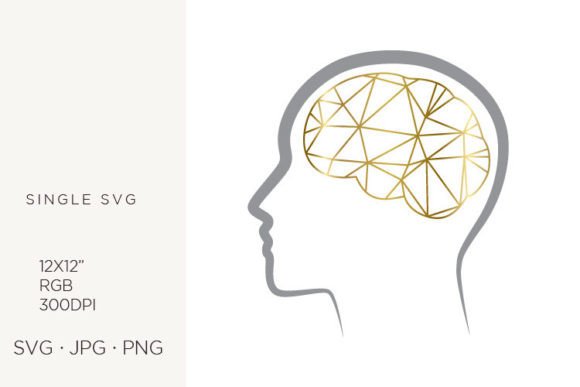
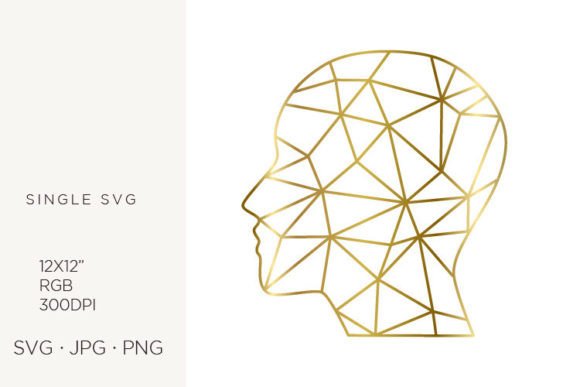
When I opened Golden Lines Inside Human Head, my immediate reaction wasn’t “cute” or “trendy”—it was “thoughtful.” The clean vector lines tracing neural pathways and abstract cognition inside a simplified human head shape evoke curiosity, intelligence, and quiet confidence. It’s not playful clipart, nor is it cold corporate abstraction. It lands somewhere in the sweet spot: modern design with emotional resonance—ideal for brands communicating insight, growth, learning, wellness, coaching, or creative development. The gold tone (not metallic, but warm, saturated RGB gold) adds subtle premium weight without shouting luxury. For small business branding or content marketing, this isn’t background filler—it’s a visual cue that says, “We value depth.”
A Real Campaign Fit: Refreshing a Digital Course Launch
Last month, I helped an online coach relaunch her signature course on mindful decision-making. She needed cohesive, ownable visuals—not stock clichés—to anchor her email sequences, Pinterest pins, Canva templates, and webinar slides. Golden Lines Inside Human Head became the unifying graphic design asset across her campaign. We used the SVG version as a watermark behind key quotes, the PNG with transparent background for Instagram carousels illustrating mental models, and the JPG for blog headers. Because it’s vector-based—artboard size 12 x 12, 300 dpi, RGB—we scaled it effortlessly from mobile banners to printable workbook dividers without pixelation or loss of clarity.
Where It Strengthens Brand Communication
- Brand identity: Works beautifully as a secondary icon or pattern accent—especially when paired with a minimalist wordmark.
- Social media graphics: Adds instant visual hierarchy to quote posts and tip cards on Instagram and LinkedIn.
- Pinterest pins: Stands out in feeds thanks to its distinct shape and golden contrast against soft lifestyle backgrounds.
- Email banners & lead magnets: Communicates “inner work” or “mental clarity” faster than text alone—boosting audience trust.
- Editorial design: Enhances blog headers and newsletter features about psychology, creativity, or personal development.
- Digital product visuals: Elevates sales pages and preview thumbnails for courses, journals, or reflection tools.
Marketing Goals It Directly Supports
Golden Lines Inside Human Head delivers measurable value beyond aesthetics. It sharpens first impressions by replacing generic brain icons with something more refined and intentional. Its balanced negative space supports stronger visual hierarchy—guiding eyes toward headlines or CTAs without competing. Used consistently across touchpoints, it builds recognition and reinforces brand positioning around insight and growth. Most importantly, it signals professionalism: audiences subconsciously associate clean vector execution and thoughtful composition with credibility—critical for coaches, consultants, and digital sellers building authority.
Best Use Cases: Strategic Placement, Not Just Decoration
This illustration shines where intention matters most: hero graphics for landing pages, campaign headers in newsletters, branded templates for client deliverables, social media cover photos with layered transparency, packaging accents on journal inserts or supplement boxes, content bundles for digital product launches, promotional banners for webinars, editorial layouts in Medium or Substack, and decorative brand elements like animated SVGs in email footers. As a graphic design asset, it’s versatile—but only when placed with purpose.
Where to Proceed With Care
While expressive, Golden Lines Inside Human Head isn’t universally flexible. Avoid using it in formal corporate branding (e.g., law firm reports), dense information layouts (like comparison tables), or tiny mobile-only graphics where line detail blurs. It loses impact on low-contrast backgrounds (e.g., light gray on white) and can feel visually heavy beside overly minimal brands. Don’t force it into text-heavy Facebook ads or product labels where legibility must dominate. And never assume it replaces clear messaging—it enhances it.
Practical Brand Designer Notes You Can’t Skip
- Test it against your full brand color palette—not just primary colors, but neutrals and accent tones.
- Check black-and-white usage: Does the line structure hold up in monochrome for print or accessibility?
- Place it inside real campaign mockups—email clients, Instagram Stories, Canva templates—to assess balance and breathing room.
- Preview on actual mobile screens: Does the central shape remain legible at 80px height?
- Compare it to competitor visuals—does it differentiate your brand or blend in?
- Pair it with serif, sans serif, script, handwritten, and display fonts to confirm typographic harmony.
- Review spacing: Does it overwhelm adjacent content—or create elegant rhythm?
- Verify commercial license terms before using in paid campaigns, client work, or any commercial design context.
Final Verdict: A Thoughtful Asset for Intentional Brands
Golden Lines Inside Human Head isn’t flashy clipart—it’s a considered illustration built for meaning. As a vector-based graphic design asset, it bridges creative design and strategic communication. Whether you’re a blogger building a content kit, a small business owner designing packaging inserts, or a digital seller refreshing social media graphics, this piece earns its place when you need to signal depth, clarity, and human-centered thinking. It belongs in your design bundle alongside other high-intent SVG design and PNG design assets—not as decoration, but as deliberate visual language. In today’s crowded creative marketplace, that kind of intentionality is rare. And valuable.