Programming and Coding Webpages Graphics & Illustrations
First Impression: Friendly, Modern, and Surprisingly Versatile
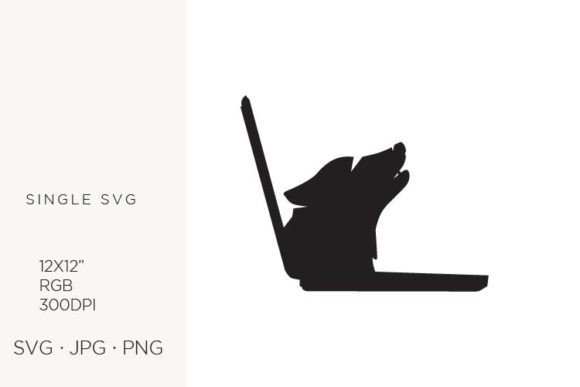
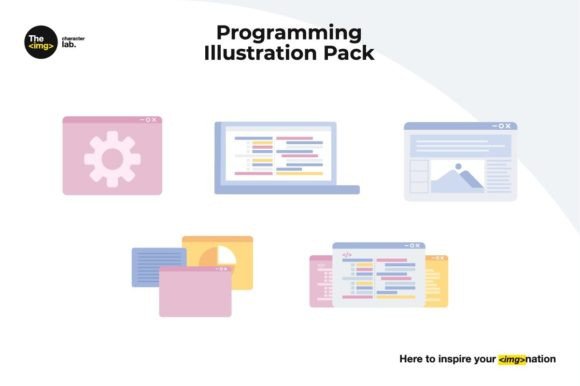
When I opened Programming and Coding Webpages, I expected tech-heavy rigidity—but instead found a warm, approachable cartoon style with clean flat-color vector icons. Think simplified laptops, code brackets, and playful browser windows—all drawn with soft edges and balanced proportions. It reads as modern but not cold, technical but not intimidating. For a local business owner, that’s gold: it suggests curiosity, accessibility, and human-centered design—not just “tech for tech’s sake.” I immediately pictured it working for a coding workshop at a neighborhood co-op, a STEM-themed children’s toy shop, or even a coffee roaster launching a “Debug Your Day” seasonal blend.
Where This Graphic Design Asset Fits Real Local Business Branding
This isn’t just clipart—it’s a flexible illustration system built for real-world applications. As a brand designer, I tested Programming and Coding Webpages across multiple small business contexts: a handmade soap brand adding QR-code-enabled labels, a boutique offering digital literacy classes for seniors, and a local food truck using animated SVGs in their Instagram Stories. In each case, the editable vector elements held up beautifully—scaling crisply on hang tags, aligning cleanly beside hand-drawn typography, and layering smoothly over textured kraft paper packaging.
Stronger First Impressions, Clearer Visual Hierarchy
Used thoughtfully, these illustrations elevate product label clarity and packaging design polish. A single laptop icon—recolored to match your brand palette—can anchor a hero section on a thank-you card or serve as a subtle watermark behind product photography. Because the elements are full-sized and centered on white, they integrate cleanly into Canva templates, print-ready PDFs, and web banners without cropping or distortion. That consistency strengthens brand identity across touchpoints—from sticker sheets for farmers’ market booths to printable inserts for subscription boxes.
Smart Applications Across Small Business Touchpoints
- Product labels & packaging accents: Pair the browser window icon with a handwritten “Freshly Brewed” tagline for a local tea brand’s limited-edition coding camp collab.
- Social media graphics: Animate the editable code bracket element for Reels promoting a “Build Your First Website” workshop at a community makerspace.
- Menu & price list visuals: Use scaled-down laptop icons as bullet points beside service offerings—clean, scannable, and on-brand.
- Thank-you cards & stickers: Print the SVG version on matte sticker stock for branded packaging seals or loyalty program rewards.
- Seasonal campaign visuals: Swap flat colors to match holiday palettes—navy + gold for a New Year’s “Code Your Goals” planner launch.
Where It Shines—and Where to Proceed Thoughtfully
Programming and Coding Webpages excels in hero graphics, decorative brand elements, and product mockups where personality matters more than precision. It adds warmth to otherwise clinical topics—making tech feel inclusive and tactile. That said, I advise caution when using it for: formal corporate branding (it reads too friendly for law firms or banks), very small labels (fine details like pixel grids may blur below 0.5” height), or ingredient-heavy layouts (the icons compete with dense text). Avoid placing it directly over low-contrast backgrounds—its flat color relies on clear separation to read well.
Practical Brand Designer Notes You’ll Actually Use
Before locking in Programming and Coding Webpages for client work or physical product sales: test it on real packaging mockups—not just screen previews; check black-and-white usage (some flat-color icons lose distinction when converted); preview it beside your serif, sans serif, script, and display fonts to confirm visual harmony; verify SVG editability—especially if recoloring for multiple product SKUs; and always confirm commercial licensing. This is a commercial design asset—not editorial clipart—so ensure your license covers physical goods, resale items, and digital product distribution. Bonus tip: run a side-by-side comparison with competitor packaging. Does your laptop icon feel distinct? Does the tone align with your audience’s expectations—not just your own design preferences?
Why This Matters for Handmade Businesses and Local Brands
In a crowded marketplace, small business branding hinges on differentiation and authenticity. Programming and Coding Webpages offers a rare blend: technical subject matter rendered with warmth and craft. For a children’s book illustrator launching an “Algorithms for All” board game, or a florist creating a “Rooted in Code” workshop series, this illustration bundle bridges niche expertise and emotional resonance. It supports better shelf appeal, stronger emotional connection, and more professional packaging—without demanding custom illustration budgets. When used intentionally—not as filler, but as functional brand language—it builds customer trust through visual consistency and thoughtful execution.
A Final Word for Creative Entrepreneurs
If you’re weighing whether Programming and Coding Webpages fits your local business, ask: does it reflect how your customers *feel* about your offering—not just what it *is*? Does it scale across your most important touchpoints—labels, social feeds, printed collateral—without losing clarity? And crucially: does it leave room for your voice, your story, and your handmade authenticity to lead? Used well, this graphic design asset isn’t decoration—it’s a strategic tool for clearer communication, stronger recognition, and more confident marketing visuals. For creative entrepreneurs building something real, that’s not just practical. It’s essential.