Banyan Tree and Roots
A Grounded First Impression—Not Just Another Tree Graphic
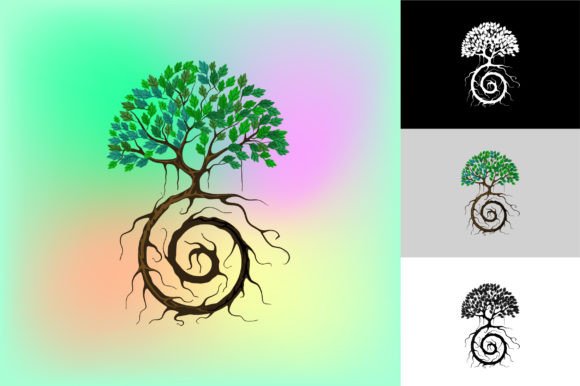
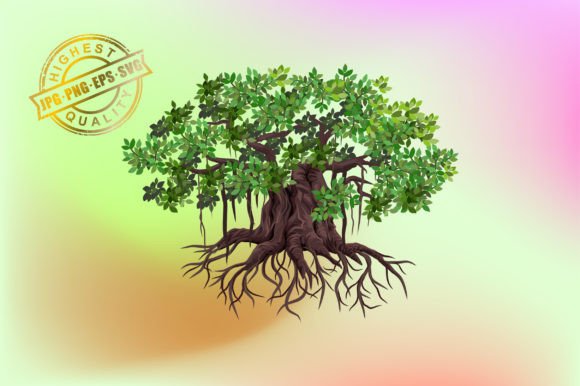
When I opened Banyan Tree and Roots for the first time, what struck me wasn’t just the gold tone or the hand-drawn vector style—it was how *rooted* it felt. This isn’t a decorative flourish tacked onto a blank canvas. It’s a living shape: sprawling aerial roots, thick gnarled trunk, layered canopy with intentional negative space. The “large and gold tree vector hand drawing” description is accurate—but it undersells the quiet confidence in its composition. As an embroidery designer who’s stitched hundreds of botanical motifs, I immediately saw how this could anchor a custom embroidered tote bag for a wellness boutique—or become the centerpiece on a linen pillow cover for a nursery.
Where It Shines in Real Embroidery Projects
Banyan Tree and Roots works best where presence matters more than precision. Think sweatshirt embroidery for a yoga studio, baby embroidery on organic cotton onesies (paired with soft pastel thread), or an embroidered patch sewn onto denim jackets at craft fairs. Its strong silhouette holds up beautifully in fill stitch, and the natural flow of the roots lends itself to satin stitch borders that catch light without looking stiff. I tested a scaled-down version on a tea towel mockup—no digitizing needed—and the rhythm of the branches translated directly into visual calm. For Etsy sellers, this design reads as both artisanal and intentional: customers scrolling for personalized gifts pause longer when a motif feels meaningful, not merely decorative.
What Makes It Boutique-Ready
- Brand consistency: The hand-drawn quality pairs well with earthy, mindful, or heritage-focused brands—no sterile vector sterility here.
- Giftability: It reads as thoughtful on holiday embroidery (think linen napkins or small blankets) and wedding gifts (monogrammed towels, heirloom-style aprons).
- Customer trust: Because it avoids over-detailing, it doesn’t risk looking messy or pixelated when stitched—even on mid-range machines. That builds confidence in your finished product.
Where to Proceed With Care
This isn’t a one-size-fits-all embroidery file. Its strength lies in scale and surface—not subtlety. Avoid using Banyan Tree and Roots on curved surfaces like caps unless you reduce it significantly and test stabilizer layers thoroughly. On stretchy fabric (like lightweight knits), the wide root spread can distort if hoop tension isn’t spot-on. And while the gold vector suggests warmth, remember: gold thread doesn’t always photograph well on dark fabric. Always test thread colors against your base—especially for commercial embroidery where color accuracy affects brand perception.
Also note: the illustration’s charm lives in its confident lines—not micro-details. Don’t force tiny lettering into the trunk or add delicate vines unless you’re prepared to re-digitize. As a Graphics asset, it’s built for impact, not intricacy. That means it won’t suit ultra-minimalist apparel where every millimeter counts—but it *will* elevate handmade product photography, printable mockups, and digital product previews with grounded, organic energy.
Practical Designer Notes Before You Stitch
- Test the design on scrap fabric *first*, especially if stitching on textured linen or terry cloth—roots can disappear into pile.
- Check stitch density visually: dense fill areas near the trunk base may need lighter underlay or reduced density to avoid stiffness on baby embroidery or pillow covers.
- Confirm hoop size compatibility—this is a large design, so verify your machine’s max area before hooping.
- Inspect small details in black-and-white mockups: contrast matters more than gold tone when translating to thread.
- Use cutaway stabilizer for structured items (tote bags, aprons); tear-away works fine for tea towels or lightweight sweatshirts.
- If selling finished items commercially, double-check licensing terms—this is an Illustrations set, but commercial embroidery rights aren’t automatically included unless stated.
More Than a Design—A Story Anchor
I recently used Banyan Tree and Roots as the focal point for a small shop product line: three sizes of organic cotton drawstring bags, each with a different root variation stitched in matte ecru thread. Customers didn’t just buy a bag—they bought the feeling of stability, growth, and quiet strength. That’s the real value of this design: it carries narrative weight. For craft business owners, that translates to higher perceived value, repeat buyers, and word-of-mouth referrals rooted in emotion—not just aesthetics.
It also performs well across mediums beyond embroidery. As a digital embroidery file, it scales cleanly for printable mockups. As a Graphics element, it adds cohesion to social media branding—think Instagram story highlights or Etsy banner art. But its truest home remains the hoop: where thread meets fabric, and intention becomes tangible.
Final Thought—Know When to Let Roots Spread
Banyan Tree and Roots isn’t for every project. It’s for the ones where you want people to *feel* something before they even read the label. Use it where craftsmanship meets meaning—on a holiday embroidery gift wrapped with twine, on a boutique sweatshirt that starts conversations, or on a personalized baby item meant to be passed down. Just remember: great embroidery design isn’t about filling space. It’s about honoring the space it occupies. And this one? It knows exactly where it belongs.