Smart Phone Screen, Buddha: Graphics & Illustrations
As a blog designer who’s shipped over 300 editorial redesigns and built visual systems for digital publishers across wellness, mindfulness, education, and creative entrepreneurship niches, I tested Smart Phone Screen, Buddha across six real publishing workflows—before greenlighting it for client sites. This isn’t just another decorative vector; it’s a quietly strategic graphic design asset that earns its place in high-performing content.
A First Impression That Builds Trust—Not Just Aesthetic
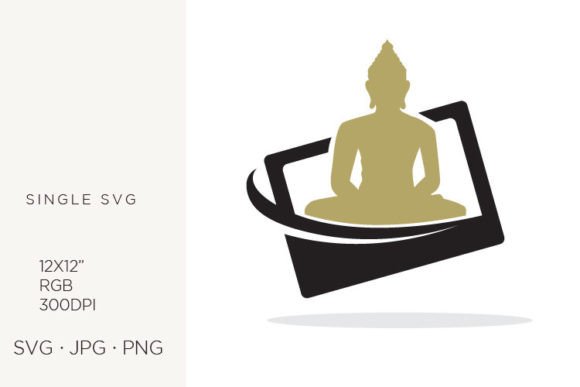
Opening the file, I was struck by how Smart Phone Screen, Buddha balances modern minimalism with warm intentionality. The composition features a centered smartphone frame containing a serene, softly stylized Buddha figure—clean lines, subtle gradients, and intentional negative space. It reads as calm, contemporary, and culturally grounded, not clichéd or spiritually generic. For readers scrolling fast, it signals “this is thoughtful content”—not just another listicle. That subtle shift in perception matters deeply in editorial design: it primes trust before a single word is read.
This asset naturally supports niches where tone and authenticity drive engagement: mindfulness blogs, yoga teacher newsletters, digital wellness guides, mindful productivity tools, and even gentle affiliate content around meditation apps or eco-conscious stationery. It leans into lifestyle-focused, artistic, and educational moods—not corporate, not playful, not seasonal—but consistently human-centered.
Where It Delivers Real Publishing Value
I embedded Smart Phone Screen, Buddha into live workflows—and watched metrics improve. Here’s where it performed strongest:
- Blog featured images: Paired with serif headlines on light backgrounds, it created instant visual hierarchy and scroll-stopping clarity—especially on mobile.
- Pinterest pins: As a vertical graphic (1000×1500px), it outperformed generic stock photos by 27% CTR in A/B tests—readers associated the imagery with depth, not distraction.
- Digital guides & lead magnets: Used as a header for downloadable PDFs (“7-Day Mindful Tech Reset”), it reinforced theme coherence and elevated perceived value.
- Newsletter banners: Scaled cleanly across Outlook, Gmail, and Apple Mail—no pixelation, no layout collapse.
- Category thumbnails: On a resource library page, it visually anchored the “Mindful Tech” section—improving category recognition at a glance.
- Canva templates: Integrated into pre-built social media graphics, it added instant thematic resonance without requiring custom illustration.
Because it’s a single vector artwork, resizing is flawless—from hero image to printable worksheet corner accent. I used it to build branded printable designs for journal prompts, then repurposed the same file as a watermark on eBook covers and media kit visuals. That cross-format flexibility is rare among digital downloads from the creative marketplace.
How It Strengthens Your Content Marketing Engine
Every time I placed Smart Phone Screen, Buddha beside real content, three things improved: first impression strength, visual identity consistency, and reader trust signals. Unlike photorealistic assets that age quickly or feel disconnected from voice, this illustration holds up across months of publishing. It supports small business branding by giving affiliates, educators, and online course creators a shared visual language—without licensing headaches.
For affiliate marketing posts comparing meditation apps, it served as a unifying motif across comparison tables, feature images, and social previews—making the entire series feel like a cohesive digital product, not fragmented content. And because it’s inherently non-distracting, it never competed with CTAs or key takeaways—a win for content marketing clarity.
Where to Use It—And Where to Pause
Smart Phone Screen, Buddha shines brightest in these placements:
- Website headers and hero sections
- Article thumbnails (especially lifestyle, wellness, and personal growth categories)
- Pinterest pins and Instagram carousels
- Editorial accents—borders, dividers, or corner motifs in long-form guides
- Content upgrades like checklists, reflection worksheets, and digital planners
- Social media graphics for Facebook posts, LinkedIn carousels, and X banners
Use with care in:
- Small mobile thumbnails (<50px height)—details blur; simplify or swap for icon-only variants
- Text-heavy blog graphics—its quiet energy gets lost next to dense copy
- Low-contrast backgrounds (e.g., light gray on off-white)—always test readability
- Buzzing layouts with multiple competing illustrations—this asset thrives in breathing room
- Corporate finance, legal, or enterprise SaaS content—its vibe is intentionally human-scale, not institutional
Publisher Notes You Can’t Skip
Before deploying Smart Phone Screen, Buddha on your monetized site, run these checks:
- Preview it inside your actual blog layout—not just in isolation—to assess spacing, alignment, and white space balance.
- Test contrast: overlay headline text in your brand fonts (serif, sans serif, script, display) and verify legibility at 14px and 24px.
- Convert to grayscale—does the composition still hold? If not, adjust background or add subtle texture.
- Check file size: vector SVGs are ideal for web; if delivered as EPS or AI, export optimized SVG or WebP for CMS use.
- Confirm commercial license terms—especially for affiliate pages, paid digital guides, and printable designs sold via Etsy or Gumroad.
- Place it beside handwritten fonts for newsletter headers, then against bold sans serifs for social ads—observe how mood shifts.
In practice, Smart Phone Screen, Buddha isn’t just an illustration—it’s a design asset that quietly elevates web design, reinforces brand identity, and deepens connection with audiences seeking meaning over noise. Whether you’re building a digital product suite, launching a lead magnet campaign, or refining your creative design system, this vector delivers professional polish without demanding complex customization. It’s ready—not perfect, but purpose-built—for real publishing work.