Smart Phone Screen, House Graphics & Illustrations
First Impressions: A Playful, Modern Touch for Handmade Brands
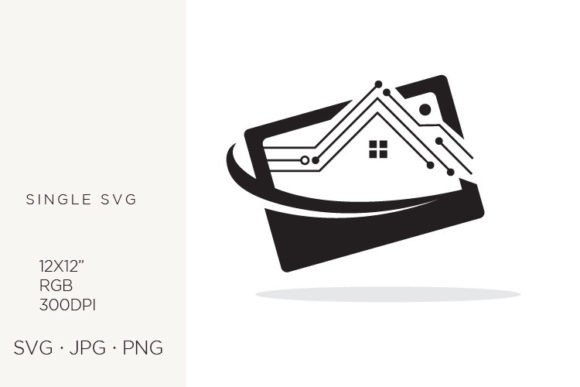
When I opened Smart Phone Screen, House for the first time in my Cricut Design Space library, I smiled—it’s got that cheerful, slightly whimsical charm that works beautifully for lifestyle-focused handmade businesses. It reads as modern but warm—not overly techy or sterile, not too cutesy either. Think cottagecore meets smart-home minimalism. It feels friendly, intentional, and versatile enough to appeal to customers who love personalized home goods, planner accessories, or thoughtful gift tags. For my Etsy shop—specializing in printable wall art, sublimation-ready mugs, and custom tote bags—I immediately pictured it anchoring a “My Happy Home” seasonal collection.
Real Crafting Workflow: Where This Graphic Design Asset Shines
I tested Smart Phone Screen, House across five real projects last week: vinyl-cut sticker sheets for planner lovers, sublimation-printed ceramic mugs, Cricut-cut iron-on transfers for cotton totes, printable gift tags for holiday orders, and digital wall art bundles sold as instant-download PDFs. In every case, it held up well—but only when used intentionally.
- Cricut & Silhouette projects: The single vector artwork imported cleanly into both machines. All paths were ungrouped and editable—no stray anchor points or hidden layers. Perfect for resizing without distortion, especially for tumbler wraps or layered vinyl decals (though more on caution below).
- Sticker design & printable design: As an SVG design, it scaled flawlessly for 2" round planner stickers and 4x6" printable gift tags. The PNG version had crisp transparency—no fringing—and printed cleanly on matte sticker paper and kraft cardstock.
- Mug design & tumbler wrap: Paired with a simple sans serif font (“My Cozy Corner, Est. 2021”), it looked polished on white and matte black sublimation mugs. I resized it to fit standard 15oz tumblers without losing clarity—ideal for print-on-demand integrations.
- Handmade cards & stationery: Used as a focal illustration on handmade greeting cards, it added personality without overwhelming hand-lettered messages. Works especially well with script fonts or clean serif pairings.
- Digital product bundles: Bundled with coordinating house-themed clipart (trees, keys, potted plants), it became the hero graphic in a “Home Is Where You Craft” printable design pack—my top-selling Etsy digital product last month.
Where It Fits Best: Strategic Uses for Handmade Businesses
Smart Phone Screen, House excels in contexts where clarity, warmth, and subtle storytelling matter:
- Large cut files for signage, wall decals, or fabric appliqué
- Clean printable layouts—especially for minimalist wedding invites or baby shower thank-you cards
- Seasonal craft bundles (think “Spring Home Refresh” or “Cozy Fall Nesting” collections)
- Gift products like custom mugs, wooden coasters, or linen tea towels
- Decorative accents on packaging—stamped onto kraft mailer boxes or die-cut labels
- Personalized items: add names or dates inside the phone screen area using your design software
- Product mockups for Etsy listings—drop it onto realistic mug or tote mockups to show scale and style
Where to Use It Carefully: Honest Crafter Notes
This isn’t a one-size-fits-all illustration—and that’s okay. Here’s what I learned the hard way:
- Avoid very small cutting details: The tiny window frame lines get lost under 0.75" height. Not ideal for 12mm enamel pin designs or micro-stickers.
- Thin lines need testing: On dark vinyl or low-contrast prints, the interior screen border can fade. Always preview at actual size before cutting.
- Don’t crowd it: Layering this over busy patterns or dense text reduces legibility. Give it breathing room—especially in sticker sheets or scrapbooking layouts.
- Layered vinyl projects require simplification: The original has subtle shading. For multi-color vinyl builds, I simplified it to flat shapes using the Pathfinder tool—saved time and material.
- Small sticker sizes demand boldness: At 1" width, the house detail blurs. I recommend using just the outer silhouette for mini stickers instead of the full illustration.
Practical Crafter Checklist Before Selling
Before adding Smart Phone Screen, House to customer orders or shop collections, I always run this quick test:
- Open the SVG design in Cricut Design Space or Silhouette Studio—confirm all lines are smooth and fully closed.
- Preview the PNG design against white and charcoal backgrounds to check contrast and transparency.
- Verify resolution: 300 DPI minimum for sublimation design and print-on-demand use.
- Test print on your go-to paper or vinyl—colors shift between monitors and printers.
- Place it on a real product mockup (not just a blank canvas) to assess visual weight and balance.
- Resize it across three formats: large (wall art), medium (mug/tote), and small (sticker)—note where simplification helps.
- Pair it with 2–3 font styles: a clean sans serif for branding, a soft script for invitations, and a sturdy display font for party decorations.
- Double-check commercial license terms—this is essential for Etsy product listings, craft fair sales, and client work.
Final Thought: A Reliable, Style-Forward Illustration for Creative Entrepreneurs
Smart Phone Screen, House won’t replace your entire design library—but it’s the kind of illustration that quietly elevates a dozen handmade business needs. It bridges digital flexibility and tactile charm, fitting seamlessly into Cricut projects, printable design workflows, and small business branding efforts. Whether you’re building a cohesive holiday collection, refreshing your Etsy shop banners, or designing custom client gifts, this graphic design asset delivers consistency, character, and quiet professionalism. Just remember: great illustrations don’t sell themselves—they sell when paired with intention, testing, and the kind of hands-on care only experienced crafters bring to every cut, print, and pixel.